
Dry Needling in Bismarck, ND
Targeted muscle relief
Dry Needling
Targeted soft tissue treatmentRelease stubborn muscle tension, calm trigger points, and move more comfortably with focused dry needling care.
At Lifestyle Chiropractic & Wellness in Bismarck, dry needling is used to address tight muscles, trigger points, and movement restrictions that contribute to pain and dysfunction. This precise technique helps reduce tension, improve mobility, and support faster recovery.
Clinic
Lifestyle Chiropractic & Wellness – Bismarck, ND
Approach
Trigger point & muscle release
Helps with
Tension, pain & restricted movement
A precise way to calm irritated muscles and restore movement.
Dry needling is a modern soft tissue technique used to treat tight, painful muscle bands often called trigger points. These areas can develop from overuse, poor posture, repetitive movement, injury, or chronic stress on the body.
When a trigger point stays active, it can create local soreness, limit normal range of motion, and even refer pain into other parts of the body. This is one reason a shoulder problem may also contribute to headaches, or a hip issue may influence low back pain.
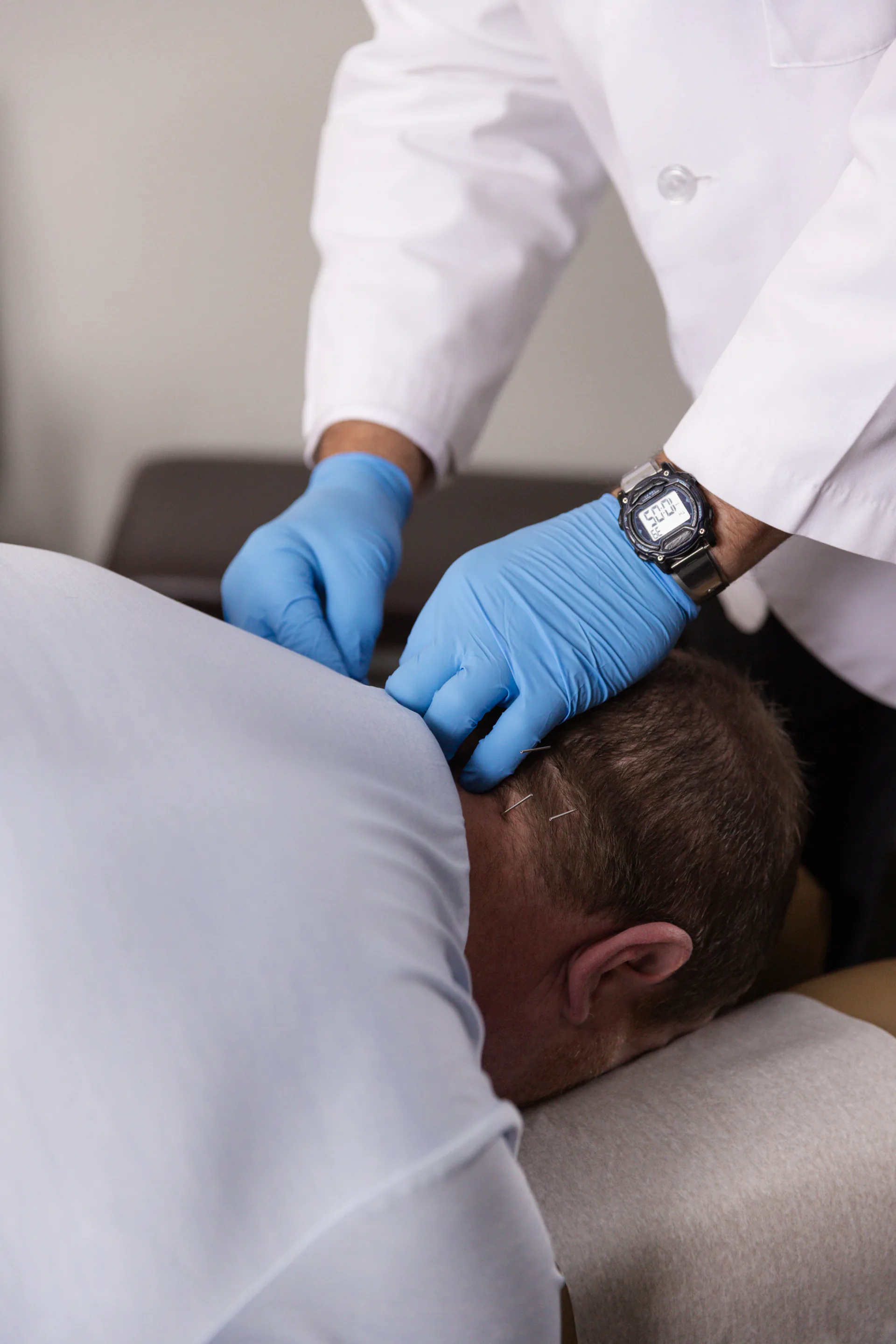
During treatment, a very thin filament needle is inserted into targeted muscle tissue to help release tension and reset abnormal muscle activity. The goal is not to inject anything, but rather to stimulate the tissue in a way that encourages relaxation, improved blood flow, and better function.
Many patients describe dry needling as a useful bridge between hands-on care and rehab exercise. Once a tight muscle begins to relax, it often becomes easier to stretch, strengthen, and retrain healthier movement patterns.
Dry needling is different from acupuncture. While both use thin needles, dry needling is based on modern anatomy and musculoskeletal assessment, focusing specifically on muscles, trigger points, and movement-related dysfunction.
Dry needling FAQs
- What is dry needling used for?
- Dry needling is commonly used for tight muscles, trigger points, movement restriction, sports injuries, tension headaches, neck pain, shoulder pain, low back pain, and other musculoskeletal complaints related to muscle dysfunction.
- Is dry needling the same as acupuncture?
- No. Although both use thin needles, dry needling is based on modern musculoskeletal anatomy and focuses on muscles, trigger points, and movement patterns, while acupuncture is rooted in traditional Chinese medicine principles.
- Does dry needling hurt?
- Most people tolerate it very well. You may feel a quick pinch on insertion, followed by a twitch, pressure, or cramp-like sensation when the targeted muscle responds. Any discomfort is usually brief.
- How soon will I feel results?
- Some patients notice improved motion or reduced tension right away, while others experience more gradual improvement over several sessions. Results depend on the area being treated, how long the issue has been present, and what other therapies are included in your care plan.
- Is soreness normal after dry needling?
- Yes. Mild post-treatment soreness is common and often feels similar to muscle soreness after exercise. It usually improves within a day or two.
- How many dry needling sessions will I need?
- That varies based on your symptoms, goals, and how your body responds. Some people benefit from just a few sessions, while more chronic or complex issues may require treatment as part of a broader care plan.
Dry needling is a soft tissue treatment intended to support pain relief, mobility, and muscular function. It is not a substitute for medical diagnosis or emergency care. Always consult your healthcare provider about serious, sudden, or worsening symptoms.